
Hydroponic Systems in Vertical Farms
NFT channels, DWC basins, and aeroponic nozzles — how different nutrient delivery methods compare in a stacked growing environment.
Read article →A closer look at hydroponic systems, LED grow lighting, and the energy realities of producing food inside multi-storey buildings in Poland.

Articles
Three areas define how vertical farms function in dense urban environments: the water-delivery system used to grow crops, the artificial lighting that replaces sunlight, and the electricity cost those systems carry.
NFT channels, DWC basins, and aeroponic nozzles — how different nutrient delivery methods compare in a stacked growing environment.
Read article →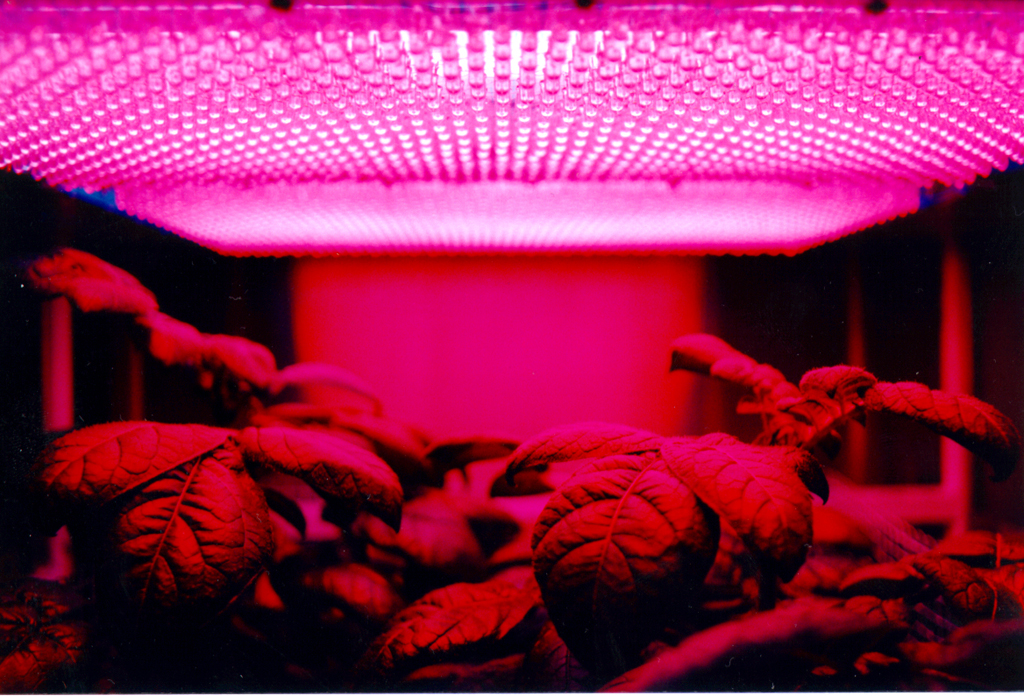
Full-spectrum LEDs have reshaped indoor crop production. This piece examines spectral output, fixture placement, and photoperiod management.
Read article →
Electricity costs represent the largest operational expense in vertical farming. An overview of consumption patterns, grid context, and efficiency measures in Poland.
Read article →Context
Poland's agricultural sector has historically centred on field crops — wheat, potatoes, sugar beet — but rising urbanisation, logistics pressures, and changes in retail distribution are creating demand for locally produced perishables inside cities. Warsaw, Kraków, Wrocław, and Gdańsk have all seen commercial interest in indoor growing facilities over the past decade.
The country's northern latitude means natural daylight is insufficient for year-round leafy crop production without supplemental lighting, making the economics of LED investment particularly relevant. Poland also imports the majority of its electricity from a coal-heavy grid, which gives energy-efficiency choices in vertical farms an outsized environmental dimension.
Small-scale hydroponic operations exist in adapted warehouse spaces and converted industrial buildings across Polish cities. Few reach the scale of large commercial vertical farms seen in Japan or the United States, though interest from both domestic producers and international investors has increased since 2020.
This resource documents the technical fundamentals — system types, lighting physics, and energy budgets — that underpin any indoor food production decision in a Polish urban context. Content draws from publicly available research, FAO publications, and industry-reported data.
External references are linked where cited. No proprietary data is presented.
Reference Links
The Food and Agriculture Organization of the United Nations maintains an overview of urban agriculture policy, typologies, and research resources.
ExternalThe International Energy Agency tracks energy intensity and efficiency progress across sectors globally, including agriculture and building systems.